Meta-analyses of randomized trials report reductions in depressive symptoms after yoga interventions.
Yoga Studio
Use movement to support your nervous system
Yoga Studio brings guided movement, breath, and body awareness into the same mental health support system. Use short practices for grounding, stress relief, or daily care.
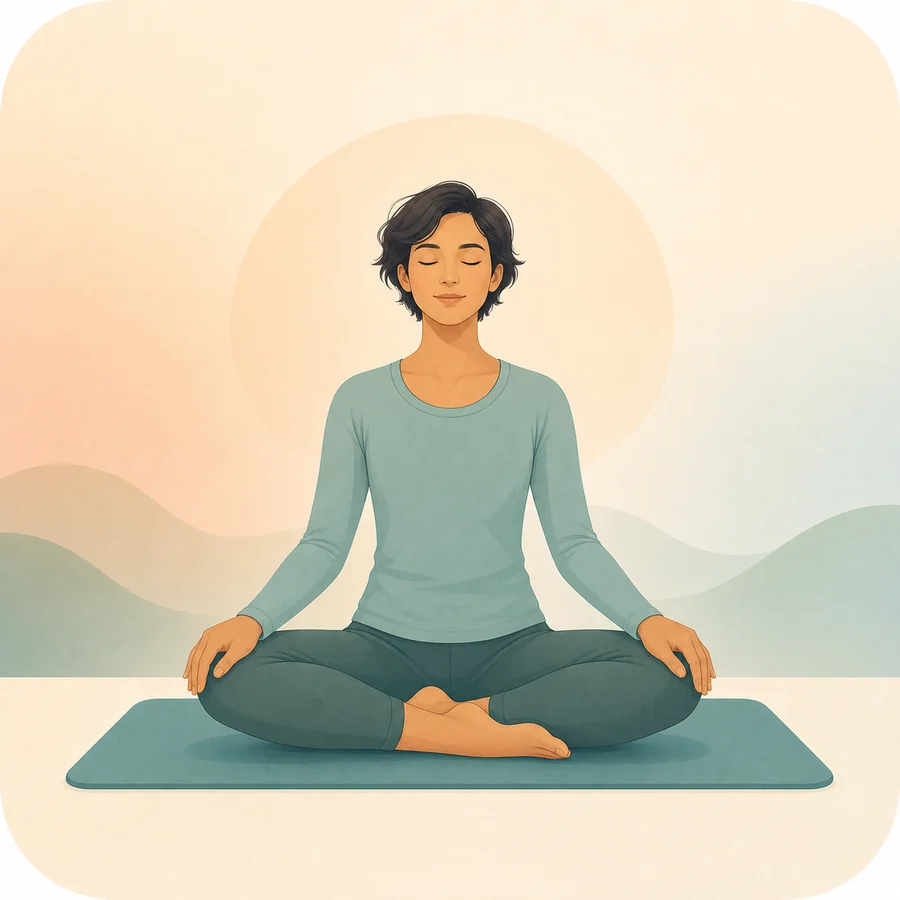
Research snapshot
Why gentle movement can support mood regulation
Movement, breath, and body awareness can shift stress physiology. Yoga research is not a substitute for treatment, but it supports the idea that gentle practice can help mood, anxiety, and stress for many people.
Yoga combines movement, paced breathing, and attention, which can support nervous-system regulation.
A small practice is easier to repeat than waiting for a perfect workout window.
How this tool applies it
- Choose a practice based on energy, stress, or body needs.
- Move within comfort and stop when something hurts.
- Reflect afterward so users learn what type of practice helps them.
Daily Practice
Body-based support without leaving the system
Guided practices
Follow simple movement and breath sessions at your own pace.
Grounding support
Use body awareness when thoughts are moving too fast.
Routine building
Add movement to daily habits and care routines.
Mood context
Notice how movement affects stress, sleep, and mood over time.
How it works
What you do inside the tool
1
Choose the pose or practice you need
Pick from short guided options based on grounding, energy, stress, or body tension rather than committing to a long class.
2
Follow the setup one step at a time
The practice shows simple setup stages and reminders so you can move slowly and stay within your capacity.
3
Connect movement to your care routine
Afterward, notice how your body and mood feel, then use habits or mood tracking if you want to make movement part of a pattern.
Ready to try Yoga Studio?
Yoga Studio brings guided movement, breath, and body awareness into the same mental health support system. Use short practices for grounding, stress relief, or daily care.
Questions
What to know before you start
Do I need yoga experience?
No. The practices are designed to be approachable and self-paced.
Is it medical advice?
No. Stop if something hurts and consult a qualified professional for medical concerns.
Can I use it for anxiety?
Many people use gentle movement and breathing for grounding during stress or anxiety.